Why the Indian Ocean Is Now the World’s Most Important Region
The Indian Ocean has emerged as the world’s most important region, driving global trade, energy security, geopolitics, and great-power competition in the 21st century.

From Forgotten Waters to Global Power Centre
For centuries, the Indian Ocean has been viewed primarily as a trade corridor connecting Asia, Africa, and Europe. Today, it has transformed into the most strategically important maritime region in the world, shaping global trade, energy security, military strategy, and great-power rivalry.
Stretching from the eastern coast of Africa to Southeast Asia and Australia, the Indian Ocean connects some of the world’s fastest-growing economies, key energy producers, and major population centers. What happens in these waters increasingly determines global economic stability and geopolitical balance.
Policymakers, military planners, and global corporations now agree on one point: the future of world power will be decided as much at sea as on land, and the Indian Ocean sits at the center of that future.
The Backbone of Global Trade
A Maritime Superhighway
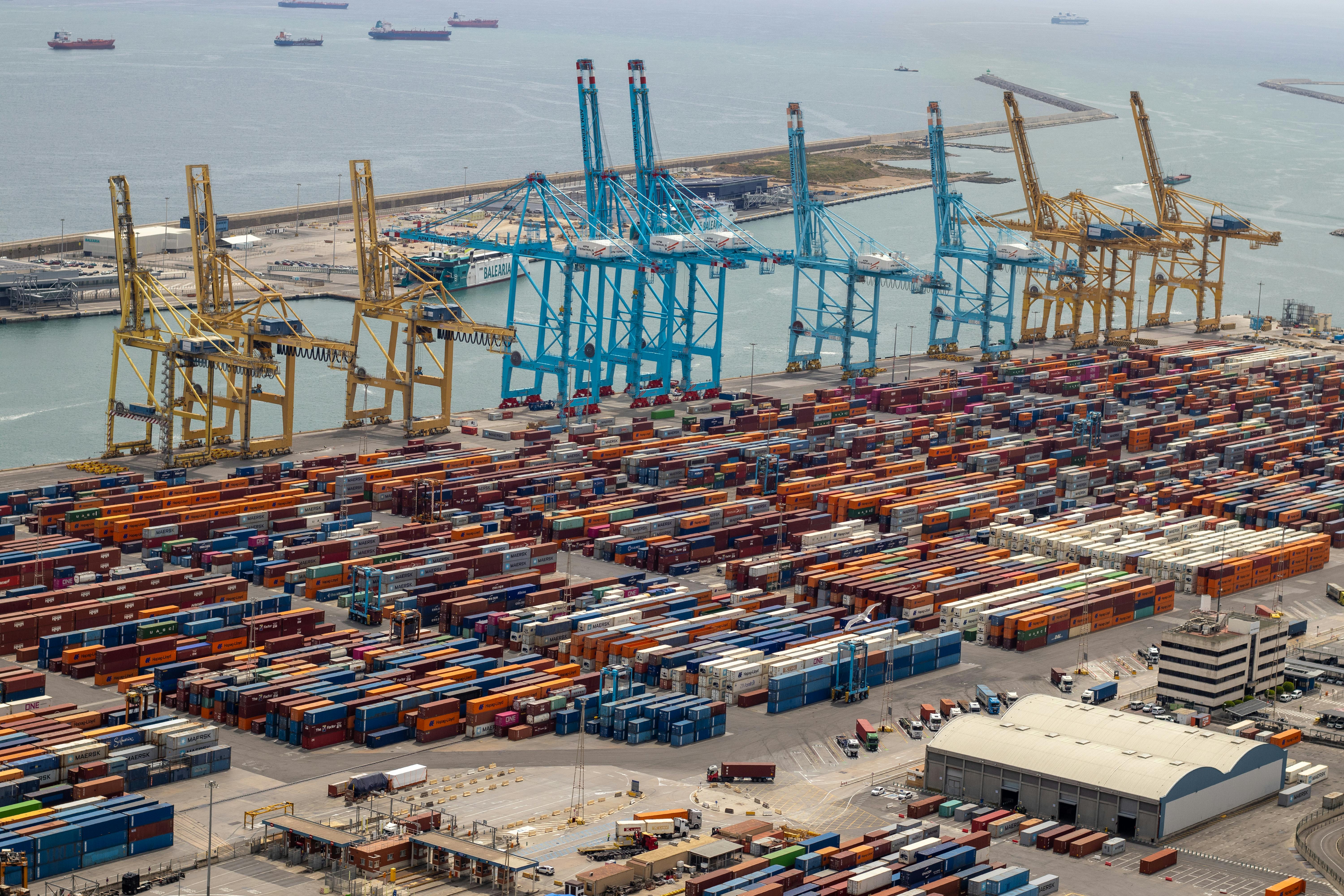
More than 80% of global seaborne trade by volume passes through the Indian Ocean, including:
-
Crude oil and LNG
-
Food grains
-
Industrial raw materials
-
Manufactured goods
The ocean hosts some of the world’s most critical shipping lanes, linking East Asia, the Middle East, Europe, and Africa.
Key chokepoints include:
-
Strait of Hormuz
-
Bab el-Mandeb
-
Strait of Malacca
Any disruption in these passages can send shockwaves through global markets within hours.
Energy Security Runs Through the Indian Ocean
Lifeline for Oil and Gas
Nearly two-thirds of the world’s oil shipments and one-third of global bulk cargo move through the Indian Ocean.
Major energy flows include:
-
Middle Eastern oil to Asia
-
African gas to Europe
-
LNG shipments to India, China, Japan, and South Korea
For fast-growing Asian economies, especially India and China, secure access to the Indian Ocean sea lanes is non-negotiable.
Energy experts warn that instability in this region could trigger:
-
Fuel shortages
-
Price shocks
-
Inflationary spirals worldwide
India’s Strategic Centrality
Geography as Destiny
India sits at the heart of the Indian Ocean, giving it a natural strategic advantage unmatched by any other country.
India’s coastline stretches over 7,500 km, and its island territories, the Andaman & Nicobar and Lakshadweep, overlook vital sea lanes.
This allows India to:
-
Monitor maritime traffic
-
Project naval power
-
Act as a net security provider
Global powers increasingly view India as a stabilizing force in the region.
The Rise of Great Power Competition
China’s Expanding Footprint
China’s growing presence has dramatically altered the strategic landscape.
Through port investments and naval deployments, Beijing has expanded its influence via:
-
Gwadar (Pakistan)
-
Hambantota (Sri Lanka)
-
Djibouti (military base)
-
Investments across Africa and Southeast Asia
While China describes this as commercial engagement, many countries view it as strategic encirclement.
The US and Its Allies Respond
The United States, along with allies like Japan, Australia, and France, has shifted attention toward the Indian Ocean.
Key developments include:
-
Strengthening the Quad (India-US-Japan-Australia)
-
Increased naval exercises
-
Expanded intelligence-sharing
-
Greater focus on freedom of navigation
The Indian Ocean has become a core theater in the Indo-Pacific strategy.
Table: Why the Indian Ocean Matters Globally
| Factor | Global Importance |
|---|---|
| Trade Routes | Carries the majority of global maritime trade |
| Energy Security | Main route for oil & LNG shipments |
| Strategic Chokepoints | Hormuz, Malacca, Bab el-Mandeb |
| Naval Presence | US, India, China, and France are active |
| Economic Growth | Surrounds the fastest-growing economies |
Africa, the Middle East, and Asia Converge Here
Economic Crossroads
The Indian Ocean links:
-
Africa’s resource-rich east coast
-
The Middle East’s energy hubs
-
South and Southeast Asia’s manufacturing centers
This convergence makes the region vital for:
-
Supply chain diversification
-
Infrastructure investment
-
Emerging market growth
Countries like Kenya, Tanzania, Oman, and Indonesia are leveraging their maritime location to become regional logistics hubs.
Military Importance Beyond Trade
Naval Power Is the New Currency
Modern warfare increasingly depends on:
-
Aircraft carriers
-
Submarines
-
Surveillance systems
-
Undersea cables
The Indian Ocean hosts some of the world’s most sensitive undersea communication cables, carrying over 95% of global internet traffic.
Protecting these assets has become a priority for major militaries.
Piracy, Terrorism, and Non-Traditional Threats
Persistent Security Challenges
The Indian Ocean faces several security risks:
-
Piracy (Horn of Africa, Arabian Sea)
-
Maritime terrorism
-
Illegal fishing
-
Arms and drug trafficking
These threats require coordinated international responses, further elevating the region’s importance in global security cooperation.
Climate Change and the Indian Ocean
A Climate Hotspot
The Indian Ocean is warming faster than other oceans, impacting:
-
Monsoon patterns
-
Coastal populations
-
Food security
Extreme weather events in this region affect billions of people, especially in South Asia and East Africa.
As climate change intensifies, global attention on the Indian Ocean will grow not just for security, but for human survival.
India’s Expanding Role as a Net Security Provider
India has increased its naval outreach through:
-
Humanitarian assistance missions
-
Anti-piracy patrols
-
Disaster relief operations
-
Maritime capacity-building for smaller nations
This approach contrasts with power projection based on military bases, making India a preferred partner for many states in the Indian Ocean.
Why the Indian Ocean Is More Important Than the Pacific or Atlantic
Unlike the Atlantic or Pacific, the Indian Ocean:
-
Connects the world’s fastest-growing regions
-
Handles critical energy flows
-
Hosts intense strategic competition
-
Is central to future supply chains
As economic gravity shifts toward Asia, the Indian Ocean naturally becomes the center of global maritime activity.
The Future: A Decade That Will Decide Everything
Experts agree that the next 10-15 years will determine:
-
Whether the Indian Ocean remains open and stable
-
Whether cooperation or conflict dominates
-
Who sets the rules of maritime order
Countries that shape outcomes here will shape the 21st-century world order.
Frequently Asked Questions
1. Why is the Indian Ocean strategically important?
It carries most global trade and energy shipments and connects Asia, Africa, and the Middle East.
2. Which countries dominate the Indian Ocean?
India, the US, China, and regional powers like Australia and France play major roles.
3. How does the Indian Ocean affect global oil prices?
Any disruption in its chokepoints can immediately spike global energy prices.
4. Is the Indian Ocean becoming militarized?
Yes. Naval deployments and strategic competition have increased sharply.
5. What role does India play in the region?
India acts as a stabilizing power and key security provider due to its geography and naval capacity.